For me personally, public speaking is slightly nerve wracking. Although I don't particularly enjoy making speeches, I have had several occasions to do so in the past. In high school, I was very actively involved in the Special Olympics team in my area and also served on the state youth activation committee for Special Olympics Delaware. As a member of this committee, I helped to organize statewide conferences for high school students to learn how their schools can become more involved in Special Olympics and Project Unify (which is a movement to get people with and without intellectual disabilities working together). During this conference, members of the committee would run workshops that focussed on different aspects of the organization, and I usually would give the talk on the Polar Bear Plunge, which is Special Olympics Delaware's biggest annual fundraiser. I've also given talks at my high school and other youth leadership conferences on the Spread the Word to End the Word campaign.
I think that one strength I have in the area of public speaking is that I have done it before, although in the past I think I have felt more comfortable with delivering these speeches because they have been on topics that I am very familiar with and can speak a little more casually about. I also feel that these situations have had less pressure than delivering a speech for a class to be graded. Another strength that I think I have is that I am usually pretty good at memorizing parts of my speech so I don't have to rely on notecards too heavily.
As for weaknesses in my public speaking ability, I think that I really need to work on not using verbal fillers. It's a bad habit that I rely on heavily in my daily, casual speech and it's one that I've yet to break. However, I realize how unprofessional and distracting this may seem to an audience when delivering a speech and I hope to improve in this area. I also think that I need to work on maintaining eye contact. I'm a fairly awkward person and it just feels kind of unnatural and weird to lock eyes with various people in the audience, but I'm going to work at getting better at this aspect of public speaking as well.
Thursday, October 29, 2015

Thursday, October 15, 2015
Paradigm Shifts
A paradigm shift is defined as a fundamental change in approach or underlying assumptions. In today's society, our philosophy and views of certain standards have obviously undergone many changes under the years. The following are two examples of paradigm shifts that have recently occurred within our culture.
1. Standards of Beauty for Women
The standards of beauty that re determined by society have changed drastically over the years. The ideal body for women is more unattainable than ever, and most of this is accounted for by the rise of photoshop. In the 1950s, Marilyn Monroe was one of the most iconic sex symbols in the world.


2. Gay Marriage
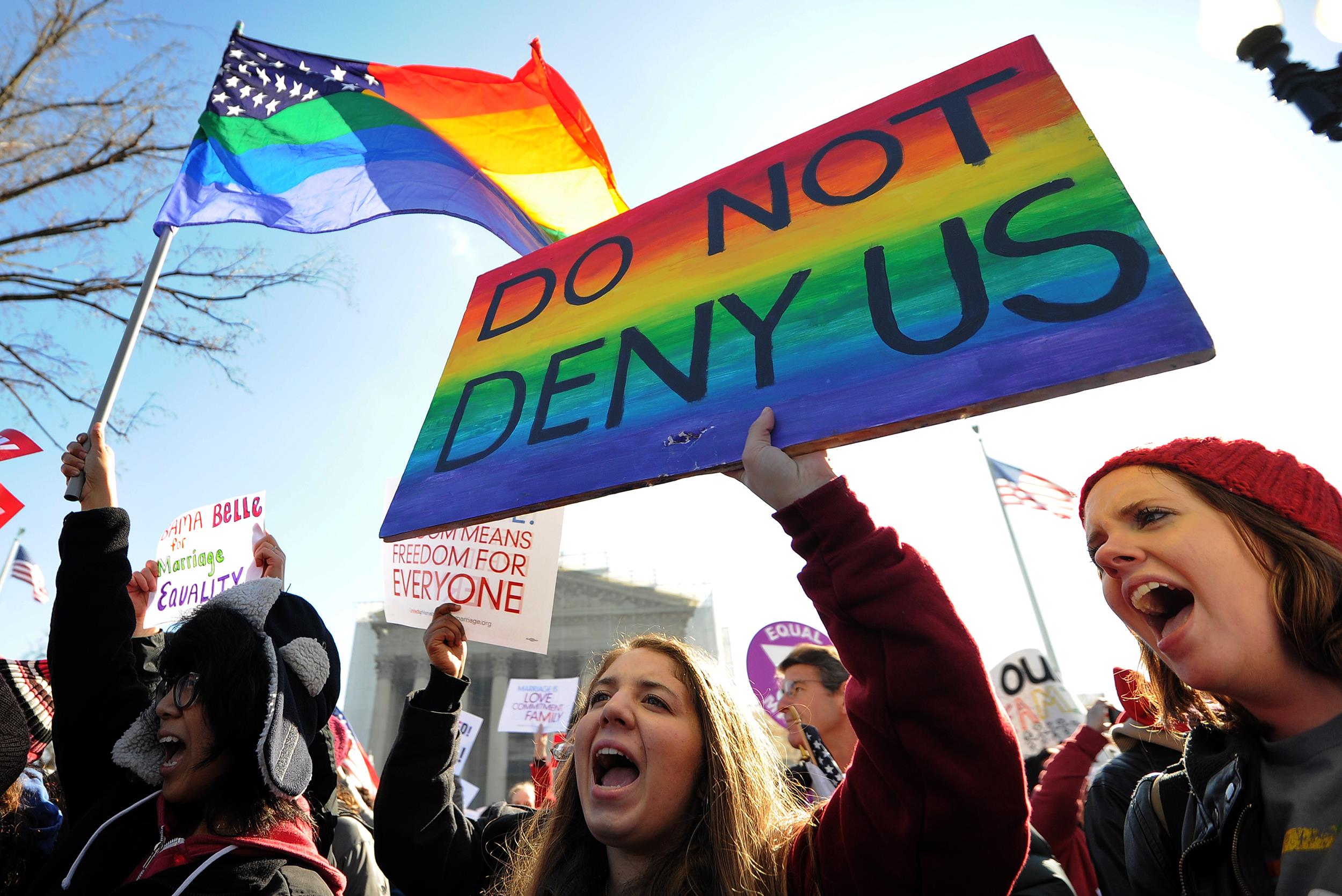
Gay marriage is another paradigm shift that is relevant in today's society. With the legislation that was just passed making gay marriage legal in all fifty states of America, we have made some huge progress in being accepting of people from all walks of life. The old paradigm that stigmatized our perception of gay people was that they were immoral in a religious sense or that their love was somehow wrong or destructive of the traditional values that our culture has held on to for so long. However, what we are now beginning to realize is that gender does not determine someone's right to love another, so it should also not determine someone's right to get married.

1. Standards of Beauty for Women
The standards of beauty that re determined by society have changed drastically over the years. The ideal body for women is more unattainable than ever, and most of this is accounted for by the rise of photoshop. In the 1950s, Marilyn Monroe was one of the most iconic sex symbols in the world.

In the media today, you're more likely to see someone who looks like Megan Fox portrayed as having an ideal body type.

In the 1950s, it was not uncommon to see advertisements of ways for women to gain weight. Society saw a fuller figure as more desirable and encouraged women to strive for that ideal. In today's culture, you would be more likely to see advertisements encouraging women to lose weight. This paradigm shift has resulted in lower self-esteem in women because of their inability to reach the unattainable standards set in place by society.
2. Gay Marriage
Subscribe to:
Comments (Atom)